Le Pharaoh stands as one of the most enigmatic figures in ancient history, widely revered and studied for his influential role in shaping the culture and legacy of his time. His reign, shrouded in mystery yet rich with cultural significance, offers a compelling glimpse into a world where power, religion, and art fused to create a lasting impact on civilization. This exploration seeks to uncover the deeper layers of Le Pharaoh's life, his contributions, and how his legacy continues to resonate across various disciplines today.
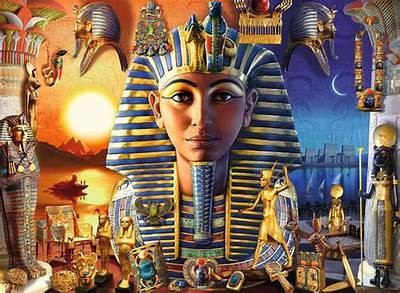
The era of Le Pharaoh was marked by tremendous political and social transformations. Situated in a period where empires were expanding and interacting, his rule encapsulated the complexities of leadership, diplomacy, and cultural synthesis. Historical records, though limited, provide insights into the geopolitical dynamics that defined his reign and the broader historical context of the time which included neighboring civilizations and emerging trade networks.
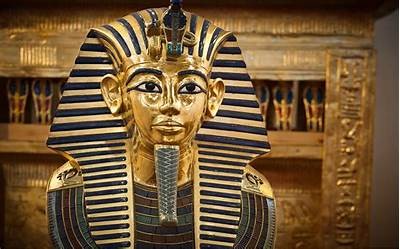
Central to understanding Le Pharaoh is the symbolic importance attached to his persona. Far beyond a mere political figure, Le Pharaoh embodied divine authority and was considered a living deity, an intermediary between gods and mortals. This perception was not only a political strategy but also deeply rooted in the religious and cultural fabric of his domain. The symbols associated with Le Pharaoh—ranging from elaborate headdresses to iconography—continue to fascinate historians and artists alike.
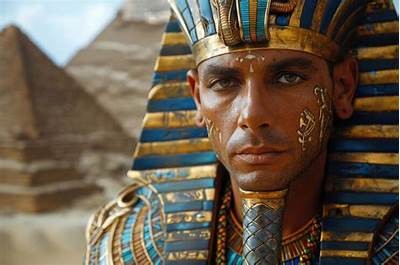
Le Pharaoh’s reign is renowned for its distinctive architectural feats and artistic innovations. Monumental structures commissioned during his time served not only as political statements but also as spiritual sanctuaries and cultural hubs. The artistry of this period, characterized by intricate carvings, statues, and hieroglyphs, reflects a sophisticated understanding of aesthetics and religious symbolism that has influenced generations of artists and architects worldwide.
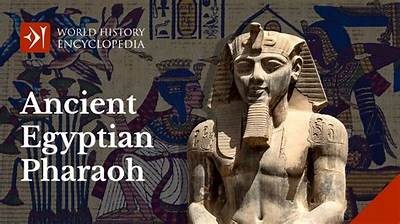
Religion under Le Pharaoh was intricately intertwined with governance and societal order. The religious beliefs promoted during his reign emphasized the afterlife, divine kingship, and ritualistic ceremonies that reinforced social hierarchies and cultural unity. These practices involved complex rituals, priesthoods, and temple constructions that have been subjects of intense archaeological and scholarly research, revealing much about the worldview and values of the society he presided over.
Beyond historical texts, Le Pharaoh has left an indelible mark on literature, folklore, and modern popular culture. His story has been retold through countless works—from epic poems and historical novels to films and video games—each interpretation reflecting changing attitudes and interests in ancient civilizations. This enduring fascination underscores the timeless appeal of Le Pharaoh’s narrative and highlights the dynamic ways in which history is remembered and reimagined.
Recent archaeological excavations have significantly expanded our understanding of Le Pharaoh's reign and the civilization he led. Unearthed artifacts, tombs, and temple ruins provide concrete evidence of the technological advancements, daily life, and religious practices of his era. However, these findings also raise new questions and debates among scholars, pushing the boundaries of historical knowledge and interpretation.
Reconstructing the life and times of Le Pharaoh presents numerous challenges due to the scarcity and fragmentary nature of primary sources. The reliance on later accounts, often colored by myth and legend, requires a careful and critical approach to separating fact from fiction. Additionally, translating ancient texts and understanding symbolic meanings necessitate interdisciplinary collaboration among historians, linguists, and archaeologists.
The legacy of Le Pharaoh extends well into modern times, influencing the cultural identity of descendant communities and national heritage projects. Museums, educational institutions, and cultural festivals often celebrate this heritage as a means of fostering pride and continuity. Furthermore, the philosophical and artistic ideals inspired by his reign contribute to ongoing dialogues about leadership, spirituality, and human creativity.
Le Pharaoh remains a figure of profound intrigue, whose mysteries continue to captivate scholars and enthusiasts alike. His contributions to history and culture are not merely relics of the past but living influences that inform contemporary understanding of power, religion, and art. As research progresses and new discoveries surface, the story of Le Pharaoh will undoubtedly evolve, ensuring his place in the annals of history for generations to come.
转载请注明:willbet Free Online Games » le pharaoh » The Mysteries and Legacy of Le Pharaoh Explored Through History and Culture
The Mysteries and Legacy of Le Pharaoh Explored Through History and Culture

How to Use Interwetten Paysafecard for Fast and Secure Online Betting Transactions

Top Online Casinos Where You Can Start Playing with Just 10 BRL and Win Real Money

Discover WillBet Online Casino for Secure Gameplay Exciting Bonuses and Trusted Customer Support

Comprehensive Guide to FanDuel Casino States Where Online Gambling Is Available in 2024

Hacksaw Gaming Dead or a Wild Slot Review Features Bonus Rounds and Winning Strategies

Play Snow Rider Unblocked Games World Free Online for Unlimited Fun and Adventure

How to Easily Access WillBet Casino North Carolina Login for Secure Online Gaming Experience

Exclusive Interwetten Voucher Deals for Existing Customers Unlock Amazing Discounts Today

Fanatics UK: Your Ultimate Destination for Sports Merchandise and Fan Gear
The Mysteries and Legacy of Le Pharaoh Explored Through History and Culture
2026-01-26
Comprehensive Overview of Willbet Casino States and Their Gambling Regulations in the United States
2026-01-25How to Use Interwetten Paysafecard for Fast and Secure Online Betting Transactions
2026-01-24
Wanted Dead or Alive Casino Guide How to Play Win Strategies and Bonus Features Explained
2026-01-24
Download the Official Mobile Willbet App for Easy and Secure Betting Anytime Anywhere
2026-01-24
Effective 5 Slot Machine Strategies to Maximize Your Winning Chances and Boost Your Profits
2026-01-22
Play Sugar Rush and Win 1000 Free Spins with Exciting Rewards and Big Bonuses Online
2026-01-20Top Online Casinos Where You Can Start Playing with Just 10 BRL and Win Real Money
2026-01-20
Experience the Thrilling Octo Attack Demo Gameplay with Exciting Features and Intense Action
2026-01-20
Experience the Excitement and Rewards at Willbet Palace Online Casino Today
2026-01-19